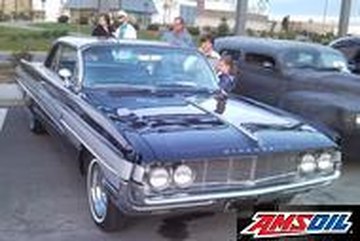
Lubrication Maintenance for the 1982 Oldsmobile 98 5.0L
Maintaining a vehicle from the early 1980s requires a proactive approach to fluid management and mechanical inspection. For the 1982 Oldsmobile 98 equipped with the 5.0L engine, consistent attention to lubrication is a fundamental aspect of long-term ownership. Because older engines may exhibit different sealing characteristics than modern counterparts, understanding how to monitor and respond to changes in lubricant condition is essential for preserving engine health.
Monitoring Fluid Integrity and Consumption
One of the most effective ways to gauge the health of an engine is to observe how it utilizes its lubricants. Owners should regularly check the level of the engine oil using the appropriate dipstick procedure. A consistent oil level between the minimum and maximum marks indicates that the engine is operating within expected parameters. However, if you notice a frequent need to add oil, this warrants closer investigation.
Changes in how much oil the engine consumes can be associated with several factors. It is important to remember that symptoms like increased consumption or unusual odors may have multiple causes and do not always point to a single specific component failure. For instance, an odor of burning oil might indicate that lubricant is contacting a hot external surface rather than being consumed internally. Similarly, any visible changes in the color or texture of the oil—such as a milky appearance or a heavy presence of grit—should be investigated immediately, as these can be signs of contamination.
Observing Potential Warning Signs
While modern vehicles often rely heavily on electronic sensors to alert drivers to issues, maintaining an older vehicle involves developing a keen sense for mechanical feedback. When performing routine checks, look for the following indicators that may require professional attention:
- Visible Seepage: Inspect the area around the engine block and lower components for signs of fluid leakage or seepage. Even small amounts of moisture near gaskets or seals should be monitored to ensure they do not escalate into active leaks.
- Unusual Noises: Any new mechanical sounds, such as tapping or knocking, can sometimes be related to lubrication levels or the condition of the lubricant itself.
- Exhaust Observations: While exhaust smoke can be caused by many things, certain colors or consistencies may warrant an inspection of the engine's internal state.
- Dashboard Indicators: If the vehicle is equipped with oil-related warning lights, these should never be ignored. An active warning light requires immediate investigation to prevent potential damage.
Approaching these signs with a diagnostic mindset—rather than jumping to conclusions about specific parts—allows for more accurate and cost-effective repairs.
Prioritizing Maintenance Based on Current Condition
For an owner of a 1982 Oldsmobile 98, the most effective maintenance strategy is often based on the actual condition of the vehicle rather than just its age. If you have recently acquired the vehicle and do not have access to a complete service history, establishing a maintenance baseline is a logical first step. This involves performing a thorough inspection of all fluids, filters, and belts to determine the current state of the machine.
When reviewing your maintenance priorities, address active concerns first. An active leak or a significant change in how the engine performs should take precedence over general preventive tasks. Once the vehicle's baseline is established, you can transition into a more structured schedule. Keeping detailed records of every oil change, filter replacement, and observed repair is invaluable. These records help you distinguish between normal aging and actual mechanical issues, making it easier to identify patterns over time.
Inspecting Aging Components and Seals
As vehicles age, the materials used in gaskets, seals, and various hoses can undergo changes in flexibility and integrity. During routine service, it is beneficial to perform a visual inspection of accessible components. If equipped, check any drive belts for signs of cracking, glazing, or fraying. Similarly, inspect visible hoses for any evidence of hardening, swelling, or surface deterioration.
Regarding the engine's sealing surfaces, look for signs of age-related seepage. It is common for older engines to exhibit minor amounts of moisture around various seals; however, monitoring these areas ensures that a small seep does not become a significant leak. This condition-based inspection approach allows you to replace components when they show actual signs of wear, rather than following an arbitrary timeline that might lead to unnecessary parts replacement.
The Role of High-Mileage Formulations
When managing an older engine, you may encounter various types of lubricants designed for different stages of a vehicle's life. Some high-mileage oil formulations contain additives intended for use in aging engines. These products often include seal-conditioning additives that are designed to help maintain the integrity of various gaskets and seals. While these formulations can be a useful tool in a maintenance strategy, they should be selected based on the specific needs and current condition of your 5.0L engine.
Whether you choose a conventional oil, a synthetic blend, or a full synthetic lubricant depends on several factors, including your driving habits and how the engine has been maintained in the past. The goal is to provide the engine with a lubricant that maintains thermal stability and provides effective deposit control throughout its operating cycle.
Practical Guidance for Buying Engine Oil for your 1982 Oldsmobile 98 5.0L
When you are ready to replenish your engine's lubricant, the most important step is to ensure the product matches the specific requirements of your application. Do not rely on general automotive knowledge or assumptions based on the vehicle's age to select a grade. Instead, match the engine oil to the application-specific viscosity information already displayed on this webpage.
Before completing your purchase, follow these practical steps:
- Verify the Label: Always check the product packaging to ensure it meets the necessary quality standards and certifications required for your engine.
- Consult the Application Data: Use the specific viscosity and oil type information provided in the technical specifications above to guide your selection.
- Consider Formulation Types: Depending on your vehicle's history, you may choose between conventional, synthetic blend, or full synthetic options, as well as high-mileage formulations if they align with the application data shown here.
By strictly adhering to the information provided in the vehicle's specific database record, you ensure that the lubricant you select is appropriate for the 1982 Oldsmobile 98 5.0L engine.